
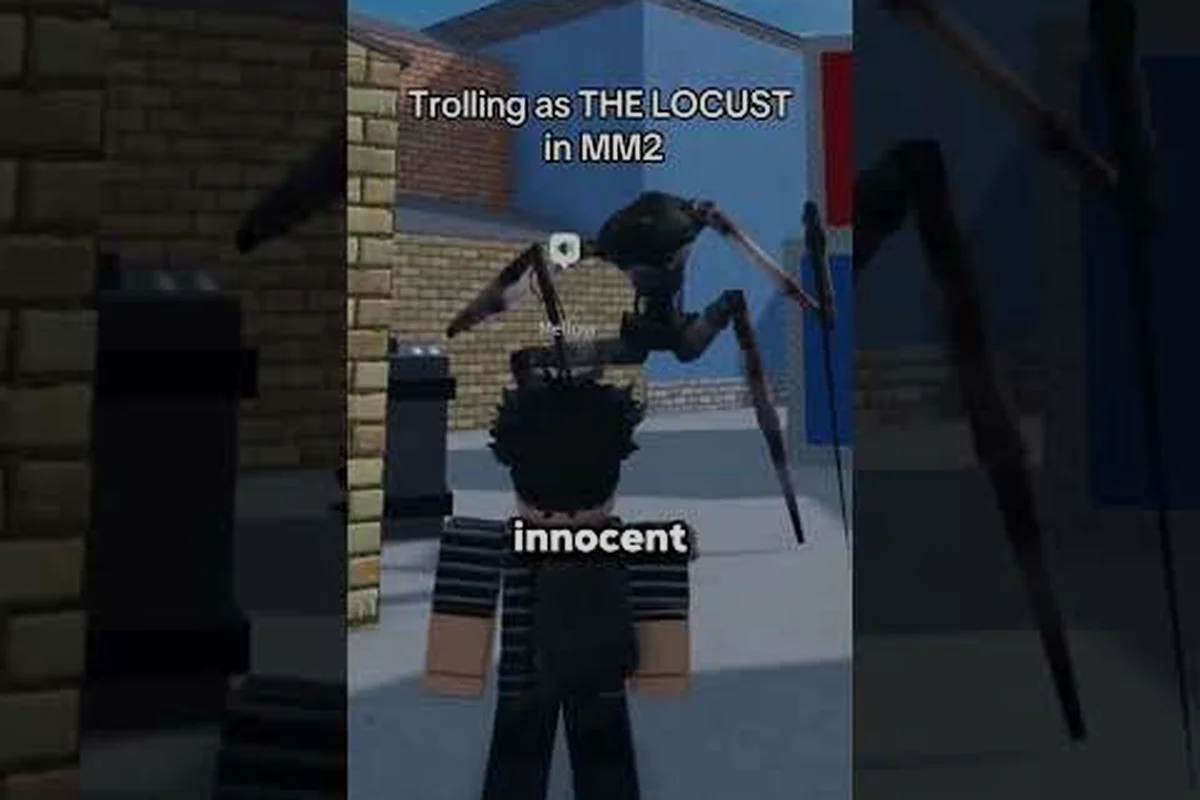
In MM2 of The Locust, a Roblox horror survival experience developed by THE STALKERS OG, players find themselves trapped inside the grotesque nest of The Locust—a predatory entity that hunts them one by one until only escape remains possible. This seemingly simple premise carries surprising narrative weight. Understanding the MM2 of The Locust theme transforms the gameplay from frantic running into something genuinely unsettling, where every shadow might conceal meaning and every survived round feels like a small victory against primal terror. The developers have crafted more than a multiplayer chase; they have built a symbolic horror experience that rewards players who look beyond the surface mechanics and ask why The Locust exists, why the nest forms the way it does, and what the recurring cycle of hunt and escape truly represents for those caught within its walls.
The Predator-Prey Dynamic: Why One Hunter Changes Everything
| Milestone | Date | Days Active |
|---|---|---|
| Initial Launch | 2026-07-27 | Day 0 |
| Post-Launch Stability Update | 2026-08-15 | 19 days |
| Latest Recorded Update | 2026-08-31 | 35 days |
| Pre-Alpha Status Duration | Ongoing | 35+ days |
The MM2 of The Locust plot hinges on an asymmetric horror concept that separates it from traditional multiplayer survival games. While many Roblox horror experiences place players against environmental threats or waves of identical enemies, this game assigns one player the role of The Locust itself while everyone else becomes prey. This inversion of power creates a psychological tension that no scripted monster can replicate. When a human controls The Locust, survivors must read genuine intelligence, anticipate real strategy, and confront the knowledge that another person chose to embody their nightmare. The predator-prey relationship becomes deeply personal rather than procedurally generated, elevating the emotional stakes beyond what artificial intelligence could achieve.
How Asymmetry Creates Psychological Dread
The MM2 of The Locust narrative derives its horror potency from the human element embedded within the killer role. Players who become The Locust report experiencing a strange exhilaration—the predatory perspective grants them knowledge of the nest's layout, the survivors' approximate locations, and the satisfaction of a successful stalk. Meanwhile, survivors experience escalating anxiety as they hear the movements of something intelligent pursuing them, something capable of learning their hiding patterns and punishing their mistakes in real time. This feedback loop between hunter and hunted creates memorable moments that feel genuinely authored rather than randomly generated.
Community Perspectives on the Hunt
According to community discussions and gameplay videos shared across platforms, the most terrifying moments in MM2 of The Locust occur when a skilled Locust player demonstrates patience. Rather than rushing directly toward survivors, these players methodically corner their targets, cutting off escape routes and forcing confrontations on their own terms. The strategic depth available to The Locust transforms the game from a simple chase into a psychological chess match where every step carries weight and consequence.
The Nest as Symbol: Entrapment, Transformation, and the Unconscious
The physical environment in MM2 of The Locust functions as more than a gameplay arena—it operates as a symbolic space representing the player's psychological state throughout the experience. The Locust nest mystery extends beyond surface-level horror aesthetics into territory that echoes mythological and psychological concepts of transformation, entrapment, and forced metamorphosis. Players who analyze the nest's design elements notice recurring motifs that suggest intentional thematic construction rather than random horror tropes.
Organic Architecture and Body Horror
The nest architecture in MM2 of The Locust follows organic, living design principles that blur the boundary between environment and organism. Walls pulse with implied respiration, corridors twist like digestive tract systems, and the overall structure suggests something grown rather than built. This visual language connects to body horror traditions where the foreign becomes intimate, where the protective shell transforms into a consuming prison. Players trapped within this space experience visual cues that their bodies do not belong here, that they exist as foreign objects within a hostile biological system.
Psychological Readings of the Nest
Several community theories interpret the nest as a representation of anxiety itself—the inescapable feeling of being watched, hunted, and slowly consumed by something that cannot be reasoned with or escaped through rational means. The Locust serves as the physical manifestation of this psychological state, and the nest represents the mental landscape where such fears reproduce and multiply without limit. From this perspective, the MM2 of The Locust theme becomes less about literal monsters and more about the interior experience of vulnerability and exposure that haunts human consciousness.
The Locust as Symbol: Nature, Religion, and the Uncontrollable
Interpreting what The Locust represents requires examining both the game's explicit design choices and the broader cultural associations that the creature type carries. Locusts occupy significant symbolic positions in multiple religious and cultural traditions, particularly as harbingers of destruction and divine judgment. The developers of MM2 of The Locust clearly understood these associations when designing their antagonist, crafting a creature that resonates on multiple symbolic levels simultaneously.
Biblical and Apocalyptic Imagery
In biblical tradition, locust plagues represent divine punishment and the unleashing of nature's destructive potential against humanity. The book of Revelation features locusts among its catalog of horrors, creatures given authority to torment but not kill—a detail that resonates with the gameplay where The Locust hunts repeatedly without permanently eliminating its prey between rounds. The swarm mentality associated with locusts also appears in the game's structure, where the singular Locust represents the concentrated essence of swarm behavior, a single entity carrying the weight of countless predators.
Nature Red in Tooth and Claw
Beyond religious symbolism, locusts represent the impersonal violence of nature—the way ecosystems can shift from balance to catastrophe without warning or moral consideration. The Locust in this game embodies this aspect of natural horror, a creature that pursues not from malice but from biological imperative. Players cannot negotiate with it, cannot appeal to its reason, cannot offer tribute that might stay its hunger. This creates a specific type of horror: the encounter with something genuinely other, operating according to principles that exclude human values entirely.
Survival, Trust, and the Breakdown of Community Under Pressure
While The Locust receives primary attention as the game's antagonist, the MM2 of The Locust narrative contains equally significant themes related to how survivors interact (or fail to interact) under extreme pressure. Multiplayer horror games often explore social dynamics, but MM2 of The Locust creates particularly interesting situations through its emphasis on hiding, running, and the relative powerlessness of the survivor role. Players cannot fight back effectively against The Locust; they can only evade, hide, and ultimately escape. This mechanical limitation forces players to rely on each other—or to suspect that others might sacrifice their companions for personal survival.
The Solo Survivor Paradox
The game's ending conditions typically involve one or more survivors successfully escaping the nest while The Locust fails to eliminate everyone. This creates an interesting tension: the game rewards individual survival, yet the experience of playing becomes richer when survivors share information, warn each other of danger, and work together to map the nest's layout. Players face a constant negotiation between self-preservation and community benefit, a microcosm of larger ethical questions about whether cooperation or competition better serves survival.
What the Escape Means
When players escape from the Locust's nest, they technically win the round but return to face the same challenge again in subsequent matches. This cyclical structure suggests that escape does not equal resolution—the horror continues regardless of individual outcomes. The Locust story behind the game implies an endless cycle where the nest regenerates, The Locust reasserts its dominance, and new survivors enter to repeat the pattern. This eternal recurrence transforms the escape victory into something more bittersweet, a temporary reprieve rather than genuine triumph.
Comparative Analysis: MM2 of The Locust Among Roblox Horror Games
| Metric | Value |
|---|---|
| Total Visits | 26,323,797+ |
| Total Favorites | 70,873 |
| Concurrent Players | ~36,600 |
| Max Server Size | 30 players |
| Servers Required (Peak) | ~1,220 |
| Player-to-Server Ratio | 1,220:1 |
Understanding the MM2 of The Locust theme in context requires examining how the game positions itself within the broader landscape of Roblox horror experiences. With over 26 million visits and approximately 36,600 players online at peak times according to platform data, the game has achieved significant popularity within the Roblox ecosystem. Comparing its thematic approach to similar titles reveals both shared conventions and unique innovations that distinguish it from competitors.
| Aspect | MM2 of The Locust | Typical Roblox Horror | Key Difference |
|---|---|---|---|
| Antagonist Design | Single intelligent player | AI enemies or environmental threats | Human unpredictability |
| Narrative Focus | Symbolism and psychological horror | Jump scares and environmental storytelling | Thematic depth over startle tactics |
| Survival Mechanics | Evasion-focused with limited interactivity | Often includes combat or puzzle elements | Emphasizes vulnerability |
| Replay Structure | Endless rounds with cycling roles | Typically story-driven single sessions | Encourages long-term community engagement |
| Player Count | Up to 30 players per server | Varies widely, often smaller lobbies | Scale creates social dynamics |
Why Players Choose This Experience
Community feedback suggests that the appeal of MM2 of The Locust lies specifically in its restraint. Rather than overwhelming players with content, the game offers a focused horror experience where every element serves the core tension of hunter versus hunted. The minimalist approach allows players to project their own fears onto the experience, filling gaps with personalized anxiety rather than consuming developer-provided scares. This interpretive openness creates stronger emotional responses than explicitly scripted horror sequences.
The Cycle of Hunt and Escape: Existential Readings of Repetition
The MM2 of The Locust symbolism reaches its most profound expression when considering the game's repetitive structure. Players enter the nest, survive or perish, and return to try again—endlessly. This cycle mirrors countless mythological patterns of death and rebirth, the eternal return of challenges that cannot be permanently overcome. The Locust represents the perpetual aspect of existence, the reality that struggles do not end with single victories but return transformed each time we believe we have escaped their grip. The Locust represents the perpetual aspect of existence, the reality that struggles do not end with single victories but return transformed each time we believe we have escaped their grip, and those curious about how this theme of cyclical conflict shapes the game's broader narrative will find the lore guide provides essential context for understanding the Locust's symbolic weight.
The Locust as Time Itself
Several interpretive frameworks suggest that The Locust functions as a symbol of temporal passage—the way time pursues us relentlessly, eventually claiming everything we love or fear. The nest represents the present moment, the confined space where past (memories, regrets) and future (anticipation, dread) converge into a single point of experience. Players cannot escape time any more than they can permanently escape The Locust; they can only navigate it, survive it for another moment, and eventually accept that the cycle continues regardless of their individual choices.
Finding Meaning in the Pattern
Despite the apparent nihilism of endless hunting, the MM2 of The Locust theme offers an alternative reading: perhaps the meaning exists precisely within the pattern itself. Each round provides opportunities for connection with other survivors, for demonstrating courage under pressure, for experiencing the strange pleasure of genuine fear safely mediated through gameplay. The game's thematic architecture suggests that purpose emerges from engagement rather than from outcome, that playing well matters more than winning permanently.
Frequently Asked Questions
What is the main theme explored in MM2 of The Locust?
The primary theme revolves around the predator-prey dynamic and its psychological implications. The game explores how power asymmetry creates specific types of fear, how human intelligence as the threat changes the horror experience, and how the cycle of hunt and escape mirrors larger existential patterns of vulnerability and survival that define human existence.
What does The Locust symbolize in the context of the game?
The Locust represents multiple layered concepts including natural forces beyond human control, the embodiment of anxiety and persistent fear, and the relentless march of time. Its design draws from religious and mythological associations with locust plagues while creating something original that resonates with contemporary anxieties about being hunted by intelligent, purposeful threats.
Why is the nest considered symbolically significant?
The nest functions as both literal trap and psychological landscape, representing entrapment, transformation, and the breakdown of safe spaces. Its organic architecture suggests body horror elements while its endless corridors represent the inability to escape from one's own fears. The nest essentially externalizes internal psychological states of vulnerability and exposure.
How does the game's multiplayer structure affect its thematic resonance?
The fact that human players control The Locust adds moral and psychological dimensions impossible to achieve with AI enemies. Survivors must confront the knowledge that another person chose to embody their nightmare, creating personal stakes that procedural horror cannot replicate. This human element transforms the MM2 of The Locust narrative from experience into confrontation.
What is the deeper meaning behind the escape mechanic?
Escape represents the temporary nature of survival rather than permanent victory. The endless cycle suggests that challenges return regardless of individual success, reflecting life experiences where problems cannot be permanently solved but only navigated skillfully. The meaning exists in the act of engagement itself, finding value in the survival attempt rather than expecting definitive triumph.